Many difficult conversations start with an unspoken assumption: it’s you vs. me. One person wants something. The other resists. And suddenly, you’re locked in a quiet battle of wills—both sides trying to win, rather than trying to solve the problem.
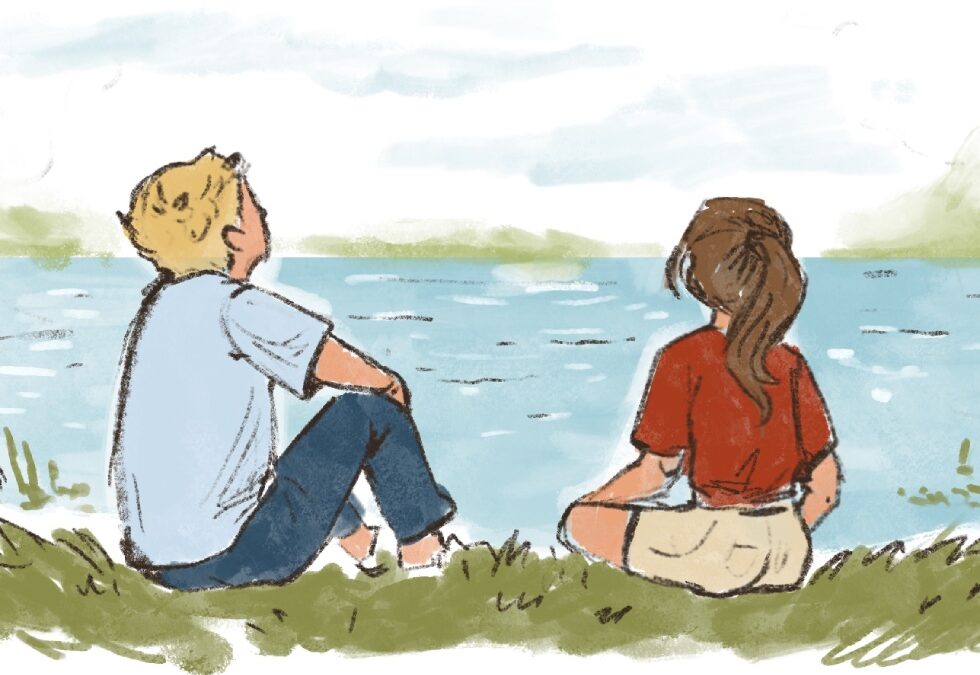
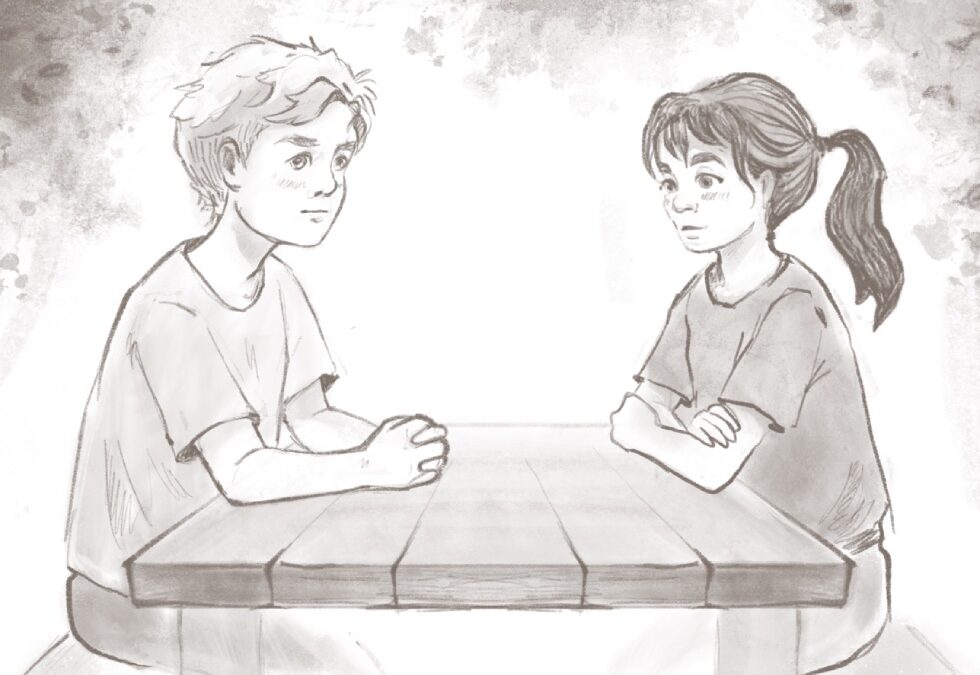
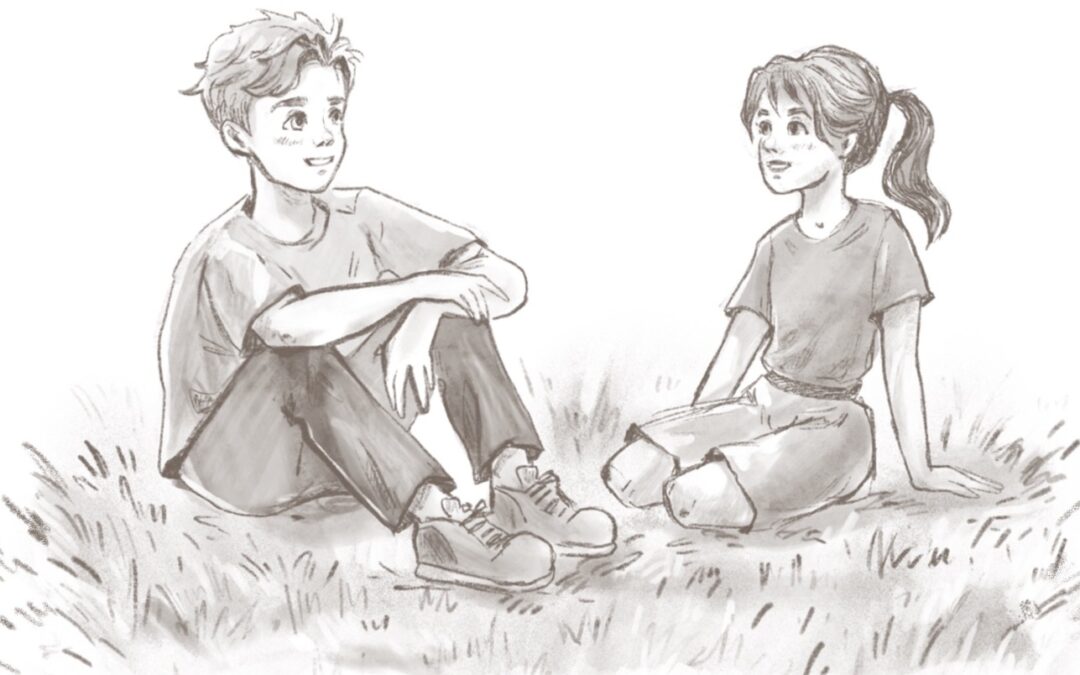
One of the most effective shifts I’ve found is to reframe the conversation altogether. To turn a difficult conversation into a collaborative one, rather than sitting across from each other, it’s better to sit on the same side of the table, facing the issue together as a team.
Sit on the Same Side of the Table
When you frame a difficult conversation as “us vs. the problem” instead of “me vs. you,” it disarms defensiveness. It invites curiosity. And it shifts the tone from blame to collaboration.
This is true in professional settings, and maybe even more powerful in personal ones.
Here’s what that shift looks like in practice.
Confrontation Mode: Position vs. Position
Let’s say a manager believes a team member isn’t working fast enough. If the manager leads with a hard position, the conversation might sound like this:
- Manager: “You need to pick up the pace.”
- Team Member: “I’m already working as fast as I can.”
Now we have two positions clashing: one demanding change, the other defending the status quo. Nobody’s learning anything. Nobody’s budging.
Collaboration Mode: Us vs. the Problem
Now imagine the same concern, but framed from the same side of the table:
- Manager: “I really enjoy having you on the team. You bring a lot of great ideas and energy. That being said, our department is struggling to hit its productivity goals. We have to meet certain metrics, and I’d love to find a way to help you reach those. What do you think we can do together to make that happen?”
Now, it’s not about pushing a demand. It’s about solving a shared challenge. The person hearing that isn’t being blamed—they’re being invited into a conversation.
The Same Shift Works in Personal Relationships
Let’s take a more emotionally charged example. Imagine one partner frequently snaps at the other.
If their partner responds with:
- “You need to stop snapping at me so much,”
…they’re likely to get defensive and not change.
But if instead they say:
- “I’d like to talk to you about something. This is probably a sensitive topic, so before we dive in, please know my goal is for us to have a strong relationship. From my perspective, you seem to snap at me a lot, and I don’t want to assume the reason. I’d love to understand what’s going on so we can find a way forward where you don’t feel so frustrated and I’m not unknowingly making things worse,”
…then the whole conversation shifts.
It’s not about accusing. It’s about understanding and offering to work together to solve the issue.
Collaboration Creates Engagement
This shift isn’t just about avoiding confrontation. It actually leads to better outcomes. When people feel like they’re part of the solution—not the problem—they’re far more likely to engage.
That’s how to turn a difficult conversation into a collaborative one. The overall sentiment then becomes:
- We’re in this together.
- Let’s figure it out, together.
The Space Between Us
This post is adapted from my newest book, The Space Between Us, released on August 12. It’s all about the small choices that make hard conversations more human.
Feel free to click on the image below if you’d like to read more!
Want to Read More?
This post is part of an ongoing series on navigating difficult conversations:
- Setting the Stage for a Difficult Conversation
- How Sharing Perspectives Lowers Defensiveness in Difficult Conversations
- Interests vs. Positions: A Better Way to Handle Difficult Conversations
- How to Uncover Interests in a Difficult Conversation
- Sit on the Same Side of the Table: How to Reframe a Difficult Conversation
- How to Use “What If?” to Keep Difficult Conversations Collaborative