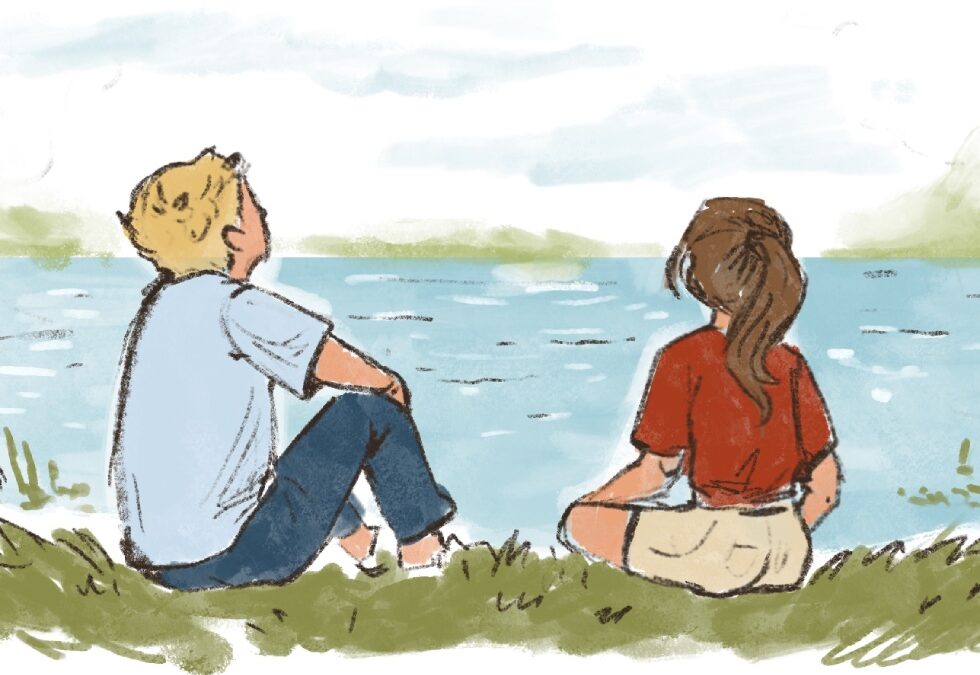
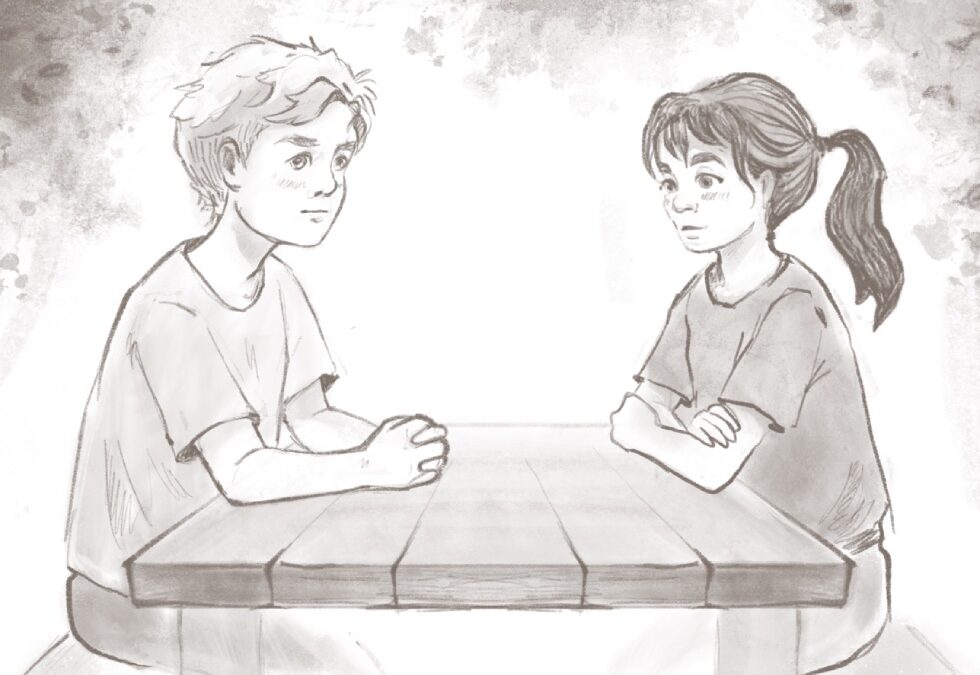
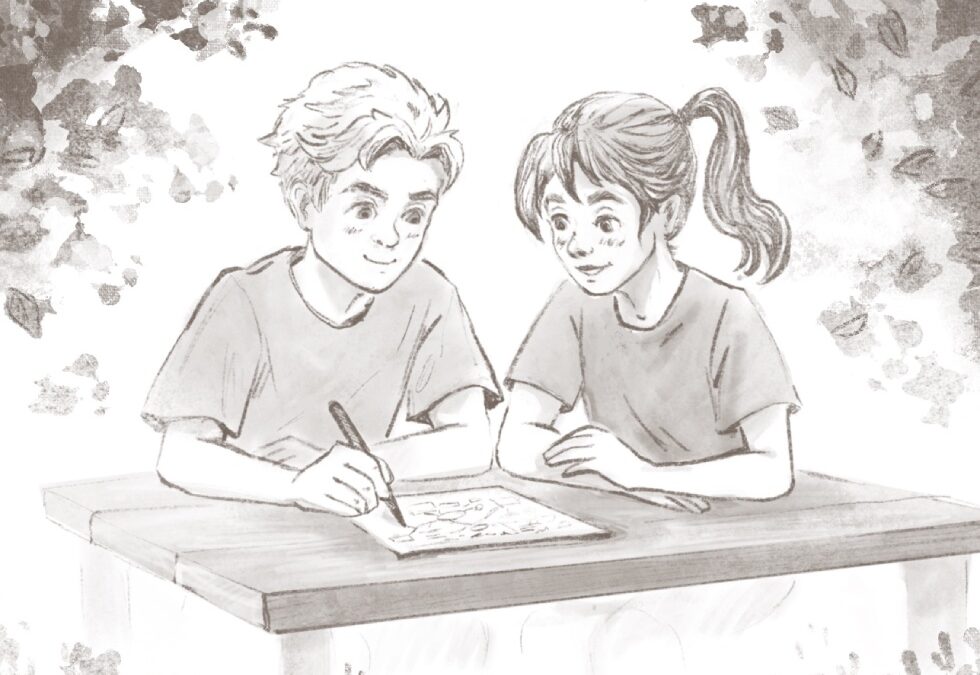
In difficult conversations, sharing perspectives can dramatically lower defensiveness. Things often go sideways when one person presents their perspective as the truth. Since there can only be one truth, it creates a dynamic where disagreement is a contradiction—one of us must be wrong. And when the stakes are emotional, that tension can quickly spiral.
But when we name our experience as an experience, not as objective reality, it opens up space. It’s harder to argue with a feeling than with a fact.
From My Perspective…
If I say, “You’re always irritable and annoyed by everything I do,” that leaves no room for discussion. If you don’t see yourself that way, we’re immediately at odds. Now the conversation is about who’s right.
But if instead I say,
“From my perspective, you seem irritated a lot—like everything I do annoys you. I’m not saying that’s true. I could be wrong, but that’s how it feels to me. What are your thoughts?”
That same message lands very differently.
It’s not that the other person won’t feel defensive at all (they might) but the reaction is softened. I’m not declaring a verdict about their character; I’m sharing how something feels from my point of view.
Framing something as a perspective softens the edges. It leaves space for nuance, for curiosity, for correction. It makes it easier for the other person to stay open rather than get defensive. And it makes it easier for both of us to find our way back to each other.
Why It Lowers Defensiveness
Sharing perspectives lowers defensiveness in difficult conversations because framing something as a perspective softens the edges. It leaves space for nuance, for curiosity, for correction. This allows room for disagreement without turning the moment into a showdown.
When I name my perspective as just that—a perspective, an opinion—it invites dialogue. It signals that I’m not trying to win, I’m trying to connect. And when both people feel that invitation, something powerful opens up: a path back to each other.
The Space Between Us
This post is adapted from my newest book, The Space Between Us, released on August 12. It’s all about the small choices that make hard conversations more human.
Feel free to click on the image below if you’d like to read more!
Want to Read More?
This post is part of an ongoing series on navigating difficult conversations:
- Setting the Stage for a Difficult Conversation
- How Sharing Perspectives Lowers Defensiveness in Difficult Conversations
- Interests vs. Positions: A Better Way to Handle Difficult Conversations
- How to Uncover Interests in a Difficult Conversation
- Sit on the Same Side of the Table: How to Reframe a Difficult Conversation
- How to Use “What If?” to Keep Difficult Conversations Collaborative