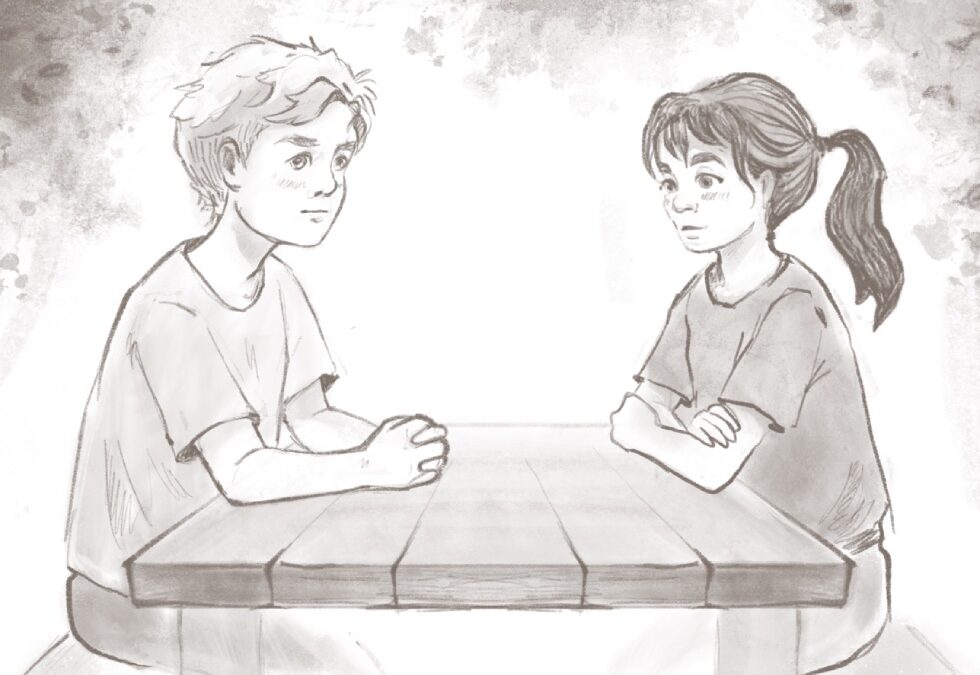
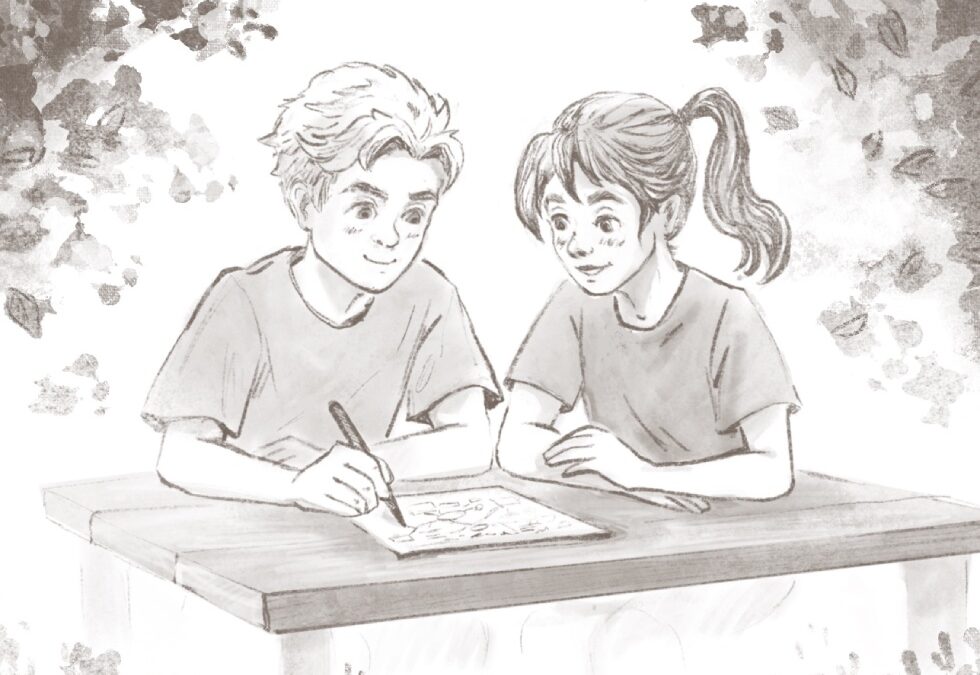
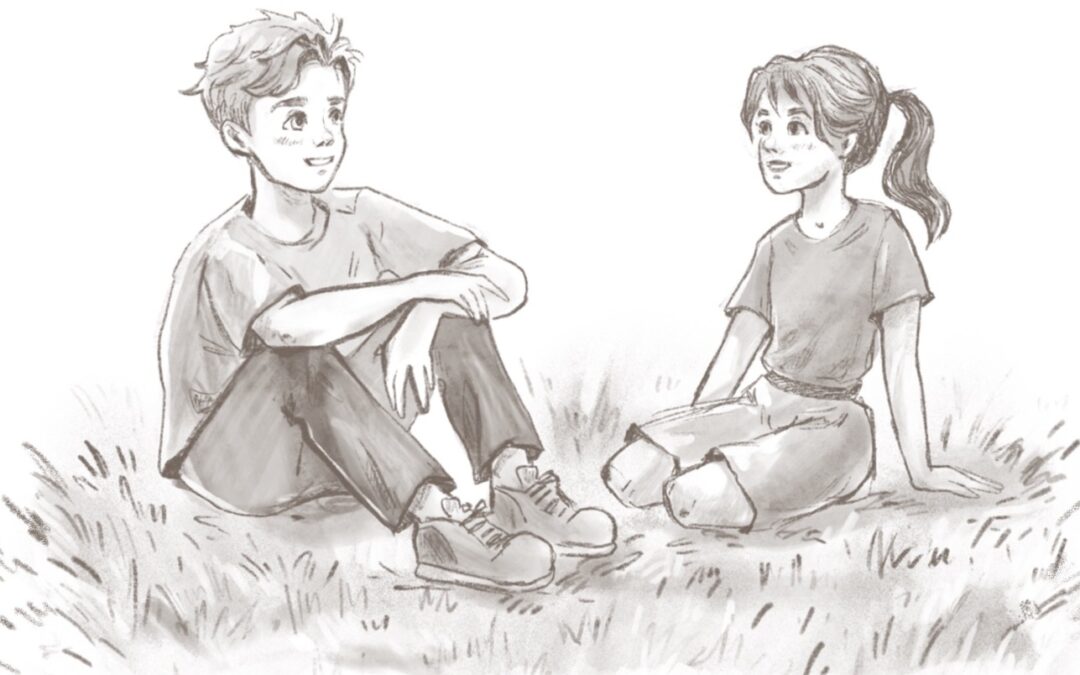
Sometimes, the smallest shifts in language can have the biggest impact—especially in difficult conversations. One of my favorites is starting a sentence with just two words:
“What if…”
It’s simple, but surprisingly powerful.
When conversations get tense, people often start defending their ideas or pushing their preferences. But “what if?” changes the tone. It moves the conversation from confrontation to collaboration—from pressure to possibility.
Let’s break down how to use “what if?” to keep difficult conversations collaborative.
Fixed Solutions vs. Open Invitations
Imagine someone says:
- “I’ll do all the cooking, and you’ll do the dishes.”
Even if it’s said nicely, it can feel a bit rigid, like you’re being told what to do. If you agree, you’re seen as cooperative. If you disagree, you risk sounding ungrateful or difficult. That kind of framing can unintentionally trigger defensiveness. Also, if you perceive doing the dishes as a less enjoyable task than cooking, then you may feel the other person is being unfair with their proposal. This can only further trigger defensiveness.
Now imagine they say:
- “What if I do all the cooking, and you handle the dishes?”
It’s a subtle difference, but a big one.
That version feels like an invitation. It opens the door to a discussion instead of locking both sides into yes/no positions. It invites flexibility, creativity, and feedback.
Why This Works in Difficult Conversations
When people feel like a solution is being imposed on them, even with good intentions, they often resist—not because the idea is bad, but because they didn’t get to shape it.
Framing ideas with “what if?” helps avoid that trap. It:
- Signals openness instead of certainty
- Keeps the conversation fluid and curious
- Encourages joint problem-solving
- Reduces the chances of someone feeling boxed in or judged
Especially in high-stakes or emotionally charged situations, those small tone shifts can mean the difference between escalation and resolution.
Try It Yourself
Here are a few examples of how to use “what if?” to keep difficult conversations collaborative:
- Work:
“What if we split the project this way instead?”
“What if we push the deadline but adjust the scope?” - Home:
“What if we set aside one night a week with no phones?”
“What if we each pick a night to cook so it feels more balanced?”
It’s not about being vague: it’s about being collaborative. You’re not giving up your perspective. You’re giving it room to breathe.
Final Thought
The next time a conversation feels stuck or tense, try this:
Pause. Breathe. Then ask: “What if we tried…”
You might be surprised at how quickly the tone shifts.
The Space Between Us
This post is adapted from my newest book, The Space Between Us, released on August 12. It’s all about the small choices that make hard conversations more human.
Feel free to click on the image below if you’d like to read more!
Want to Read More?
This post is part of an ongoing series on navigating difficult conversations:
- Setting the Stage for a Difficult Conversation
- How Sharing Perspectives Lowers Defensiveness in Difficult Conversations
- Interests vs. Positions: A Better Way to Handle Difficult Conversations
- How to Uncover Interests in a Difficult Conversation
- Sit on the Same Side of the Table: How to Reframe a Difficult Conversation
- How to Use “What If?” to Keep Difficult Conversations Collaborative