Focusing on interests vs positions is a better way to handle difficult conversations.
This might be one of the most important concepts I’ve ever learned about difficult conversations. I first came across it in Getting to Yes by Roger Fisher and William Ury, a foundational book on negotiation and conflict resolution. It helped me see why so many conversations get stuck: we argue over positions (what someone says they want) instead of exploring interests (the deeper reasons underneath).
That shift—from positions to interests—can turn an argument into a real dialogue.
Interests vs Positions
A position is a specific stance someone takes in a conversation. For example, “I want to see a movie.”
An interest, on the other hand, is the underlying reason for that stance. Maybe I want to relax, have fun, or spend quality time with someone.
When conversations revolve around positions, our natural instinct is to defend them. When I state a position, the default victory condition becomes getting what I asked for. If I do, I win. If I don’t, I lose.
Now imagine two people doing this with opposing positions. One side is guaranteed to lose. The conversation often devolves into a battle of wills where the most stubborn person wins—not necessarily the one with the best solution. Once people dig in, the conversation is doomed to fail.
Interests, on the other hand, are often shared rather than conflicting. Most of the time, the underlying reasons behind our positions boil down to a handful of core needs—safety, security, comfort, feeling valued, being respected, and so on. These are much harder to argue against. It’s much more likely that we share the same interests, hence the benefit of focusing on interests vs positions.
For example, if we’re dividing household chores, nobody wants to empty the dishwasher (position), but everyone wants clean dishes (interest). If we focus on positions, the conversation becomes an argument over who gets stuck with an unpleasant task. But if we focus on the shared interest—having clean dishes—we can explore solutions that work for both sides, like alternating days or cooking in exchange for dish duty.
By shifting difficult conversations away from what we want and toward why we want it, we create more room for collaboration. Instead of fighting over competing positions, we can work together to satisfy shared interests, leading to solutions that last.
How to Uncover Interests
The tricky part when thinking about interests vs positions is that people rarely state their interests outright. Instead, they argue their positions, and it’s up to us to dig deeper. Here are a few strategies that I’ve found helpful to uncover those interests.
Ask “Why?” (Gently)
If someone insists on something, instead of pushing back, I try asking something such as, “Why is that important to you?” or “Why do you want that?” or “What’s your ultimate objective here?” These open-ended questions encourage people to reveal their deeper concerns.
Listen for Emotions
Frustration, defensiveness, and even hesitation can be signs that someone’s interests aren’t being fully addressed. If a simple request sparks a strong reaction, there’s probably an unspoken concern driving it.
Reflect And Clarify
Sometimes, people don’t even realize what’s driving their stance. Repeating back what they said in your own words can help uncover their real interest. If someone says, “I need this report by Friday, no exceptions,” I might ask, “It sounds like this deadline is really important. Can you help me understand why? Are you worried about delays affecting a larger project or something like that?” This gives them a chance to clarify whether that’s their real concern.
Once interests are on the table, conversations become far more productive. Instead of fighting over rigid positions, both sides can work together to find solutions that meet each other’s core needs.
Wrapping Up
During difficult conversations, it is always better to focus on interests vs positions.
When we stop fighting over what people say they want and start listening for why they want it, conversations shift. They soften. They open. We go from pushing against each other to working alongside each other.
The Space Between Us
This post is adapted from my newest book, The Space Between Us, released on August 12. It’s all about the small choices that make hard conversations more human.
Feel free to click on the image below if you’d like to read more!
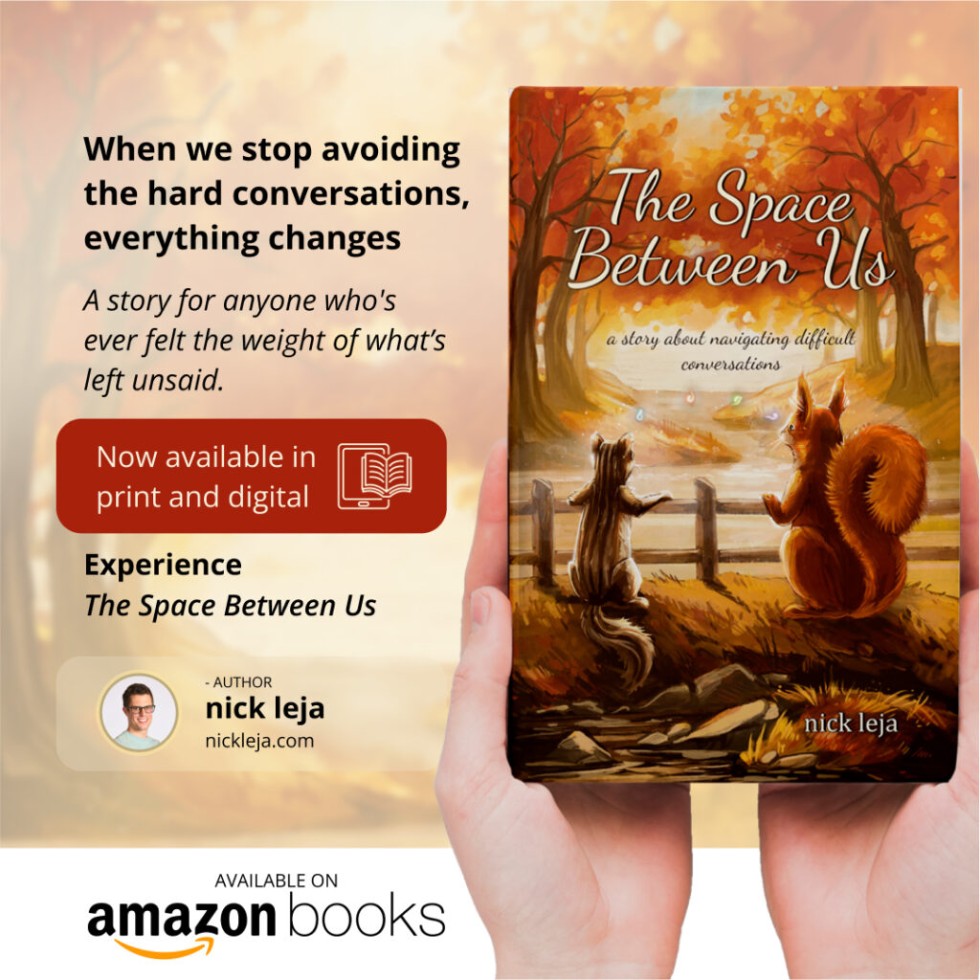
Want to Read More?
This post is part of an ongoing series on navigating difficult conversations:
- Setting the Stage for a Difficult Conversation
- How Sharing Perspectives Lowers Defensiveness in Difficult Conversations
- Interests vs. Positions: A Better Way to Handle Difficult Conversations
- How to Uncover Interests in a Difficult Conversation
- Sit on the Same Side of the Table: How to Reframe a Difficult Conversation
- How to Use “What If?” to Keep Difficult Conversations Collaborative